Outcomes with software inside.
Electrical systems that stay verified.
Build provable outcomes in marine and motorsport electrical systems from design through validation, manufacture, and as-maintained operation.
We return engineering-grade validation reports with visible assumptions — no black-box magic, no silent handoffs.
Flexible options for engineering teams at every stage.
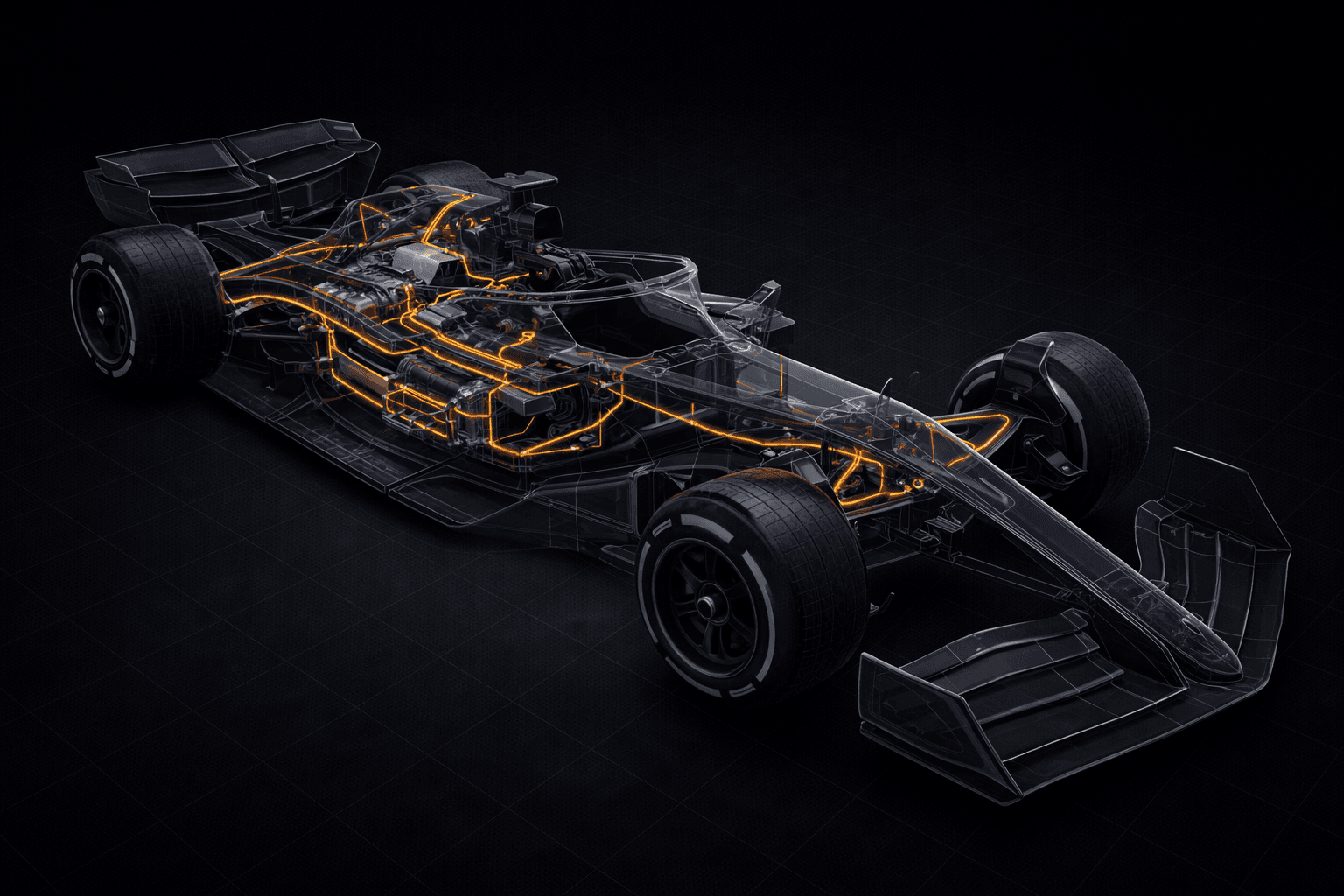
Validated End-to-End.
Lifecycle Continuity
Every modification, inspection, and repair is traceable from design intent through as-maintained state. No configuration drift. No undocumented changes.
Synchronized Telemetry
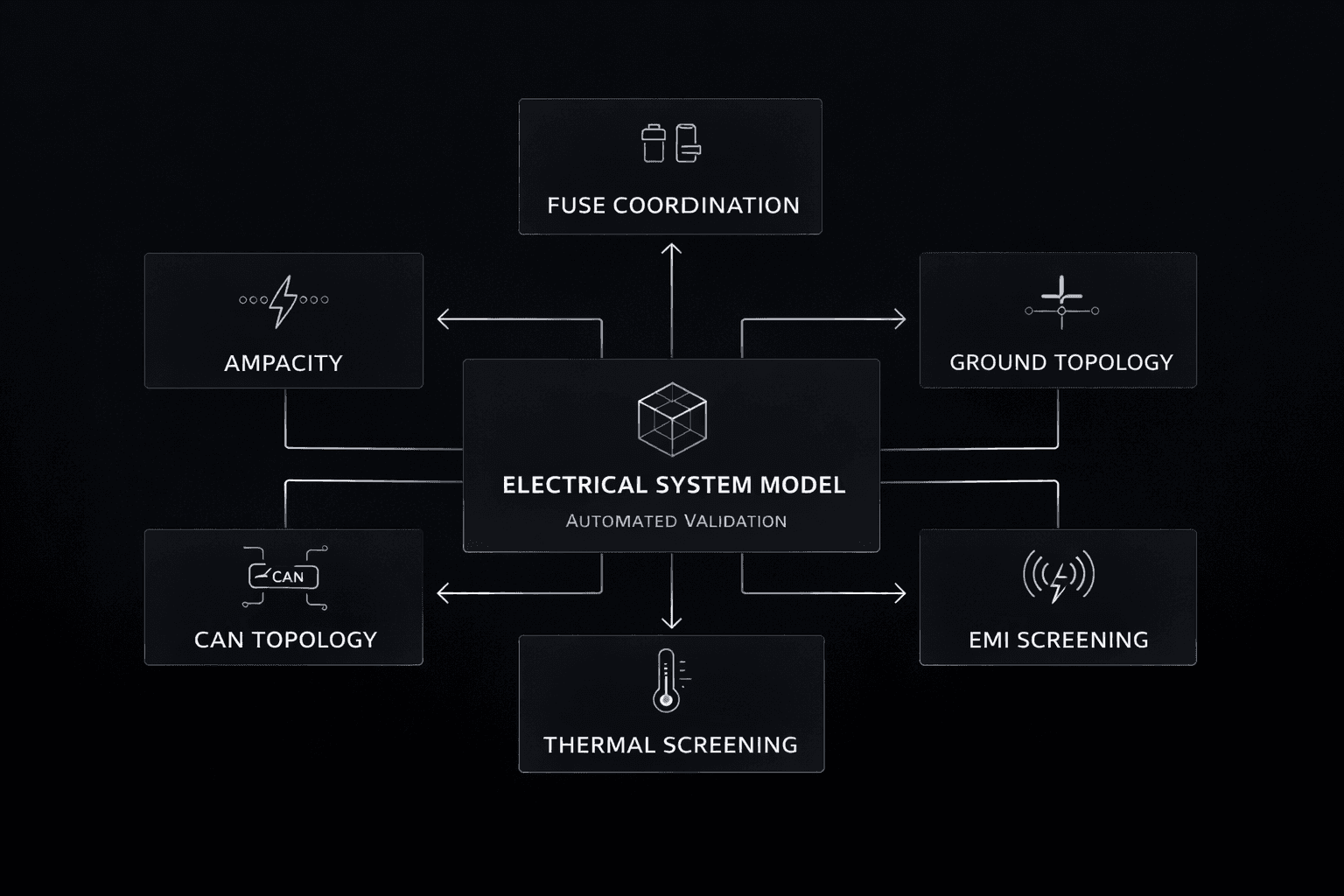
Physics-based validation of voltage drop, current load, thermal gradient, and EMI — correlated and mapped to every net, wire, and bundle continuously.
Spatial Digital Twin
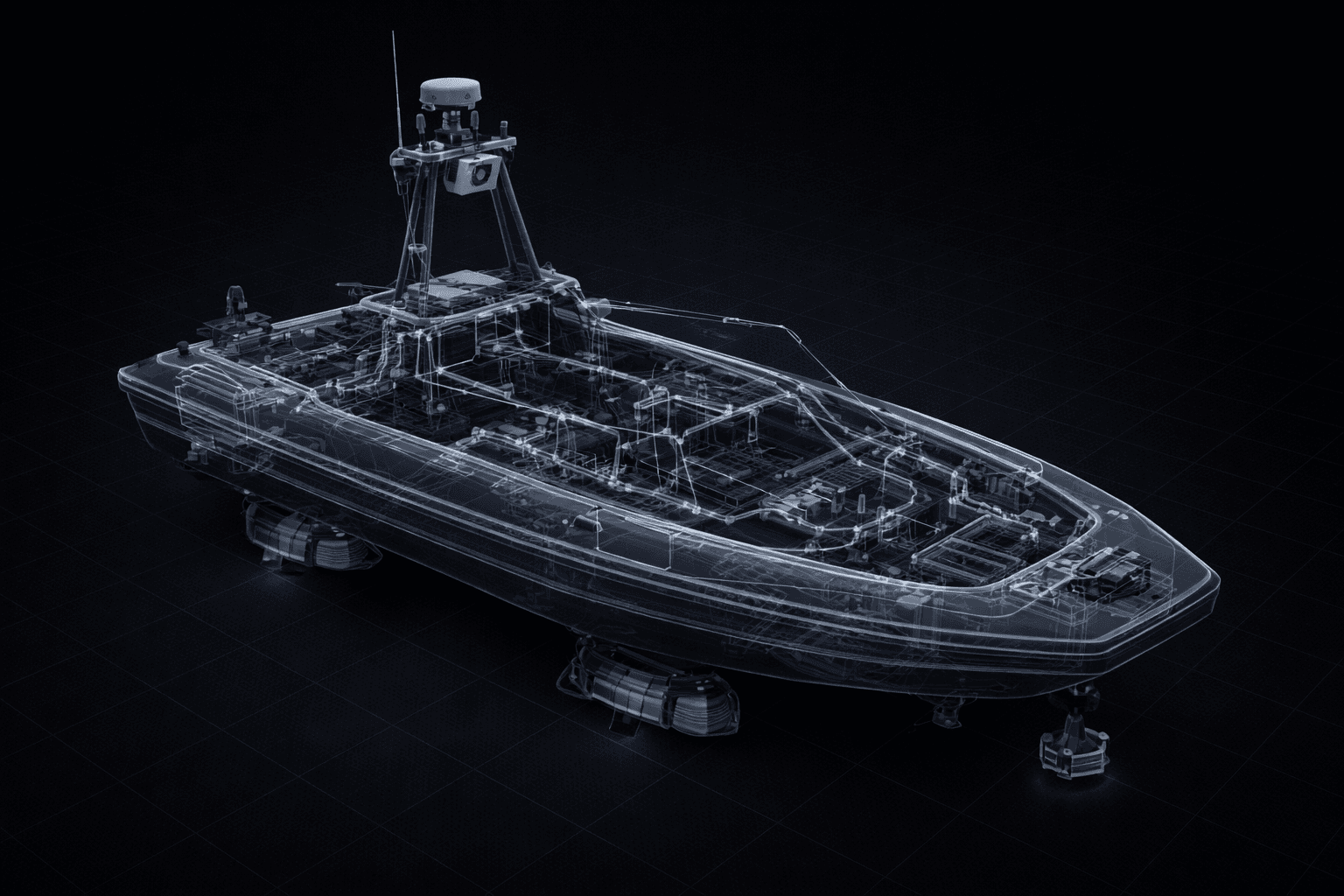
3D harness visualization with physics-driven overlays. Bend radius stress, clearance detection, and thermal expansion — computed, not assumed.
Electrical engineering tools
Size wire, calculate voltage drop, fuse rating, and battery runtime. No login required.
Core workflows operational
Live platform in production testing. System modeling, validation, and manufacturing outputs from one computable model.
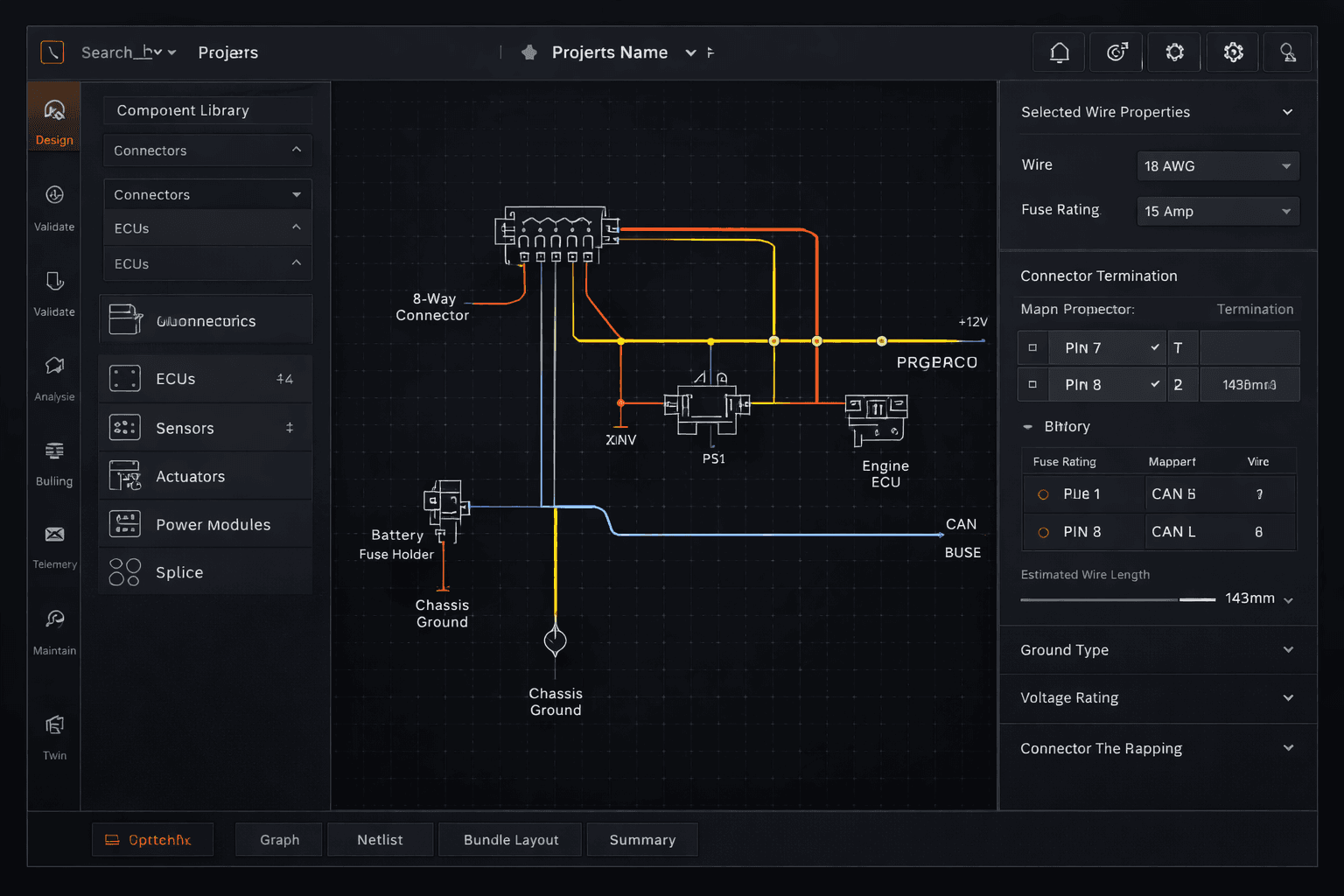
Structured Electrical Modeling
- Drag components, wire nets, assign constraints — model builds as you design
- Reusable component library with standardized metadata and typed interfaces
- Multi-bus architecture: CAN, power distribution, voltage segregation in one twin
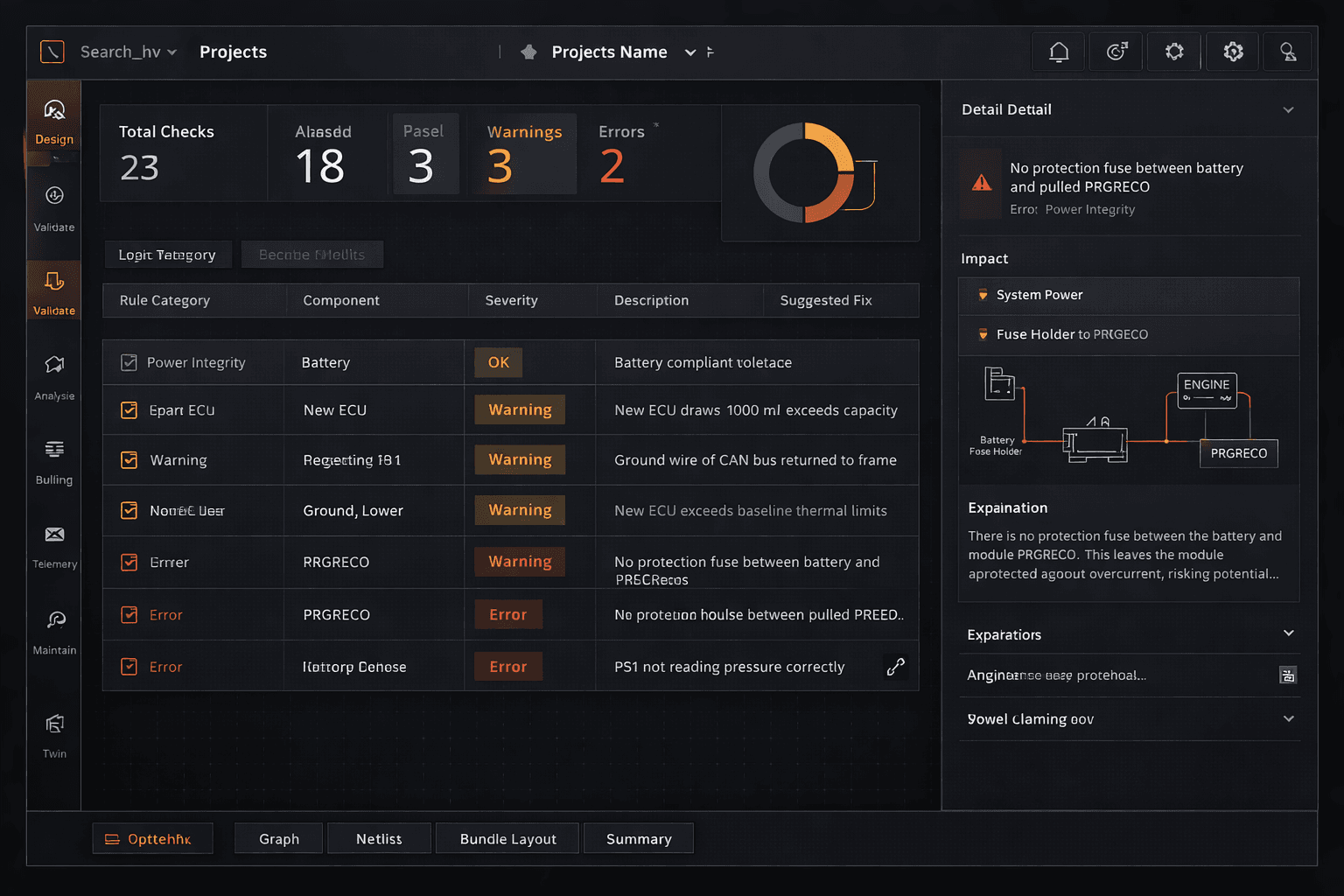
Real-Time Constraint Validation
- Voltage drop, ampacity, fuse sizing, and topology validated continuously from the model
- Warnings and errors with circuit impact diagrams and suggested fixes
- Issues surface before they reach the bench — no re-export, no redraws
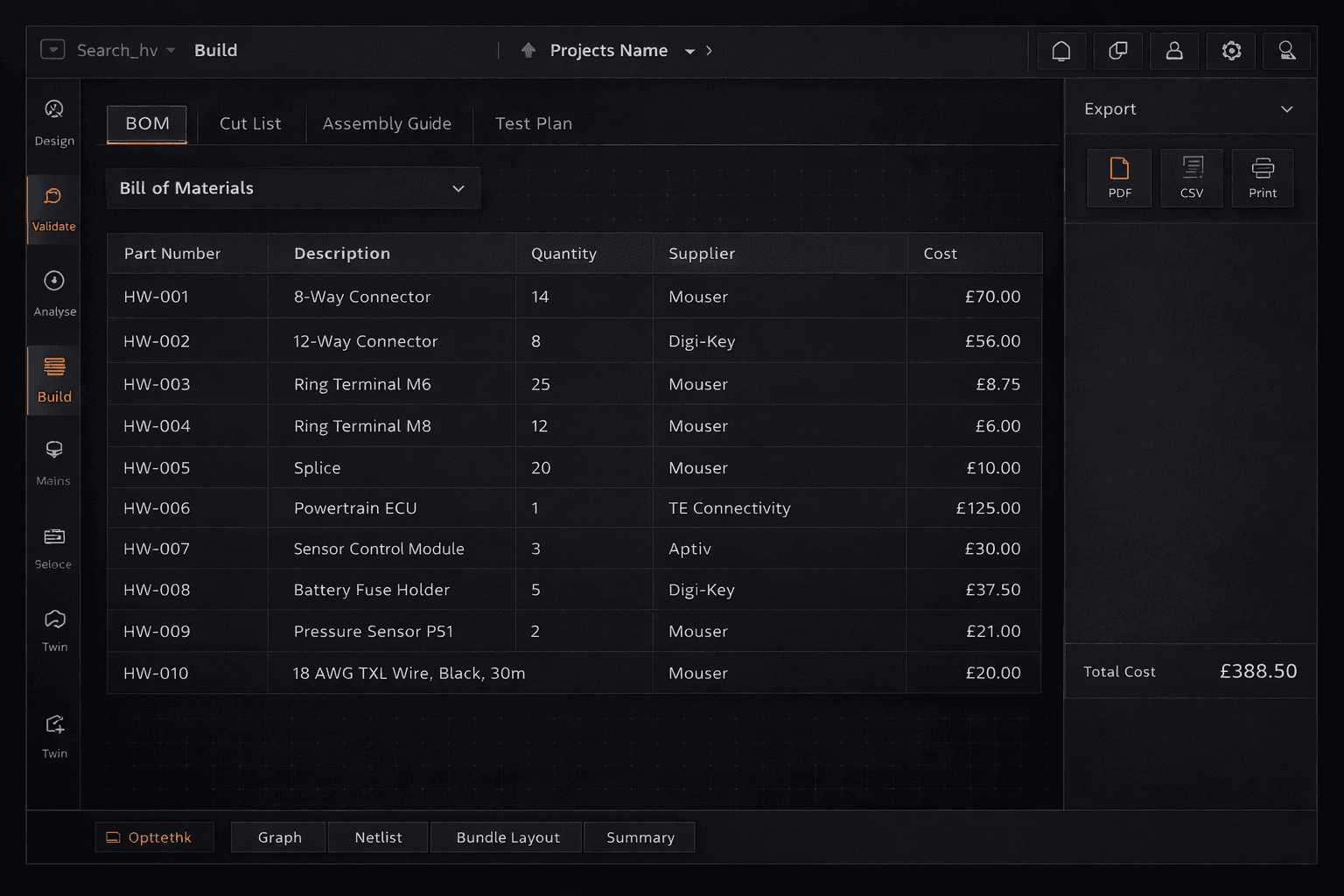
Manufacturing from the Model
- BOMs, cut lists, and assembly documentation generated from the validated model
- Export to PDF, CSV, or print — manufacturing outputs match engineering intent
- Changes flow back into the twin — manufacturing never drifts from design
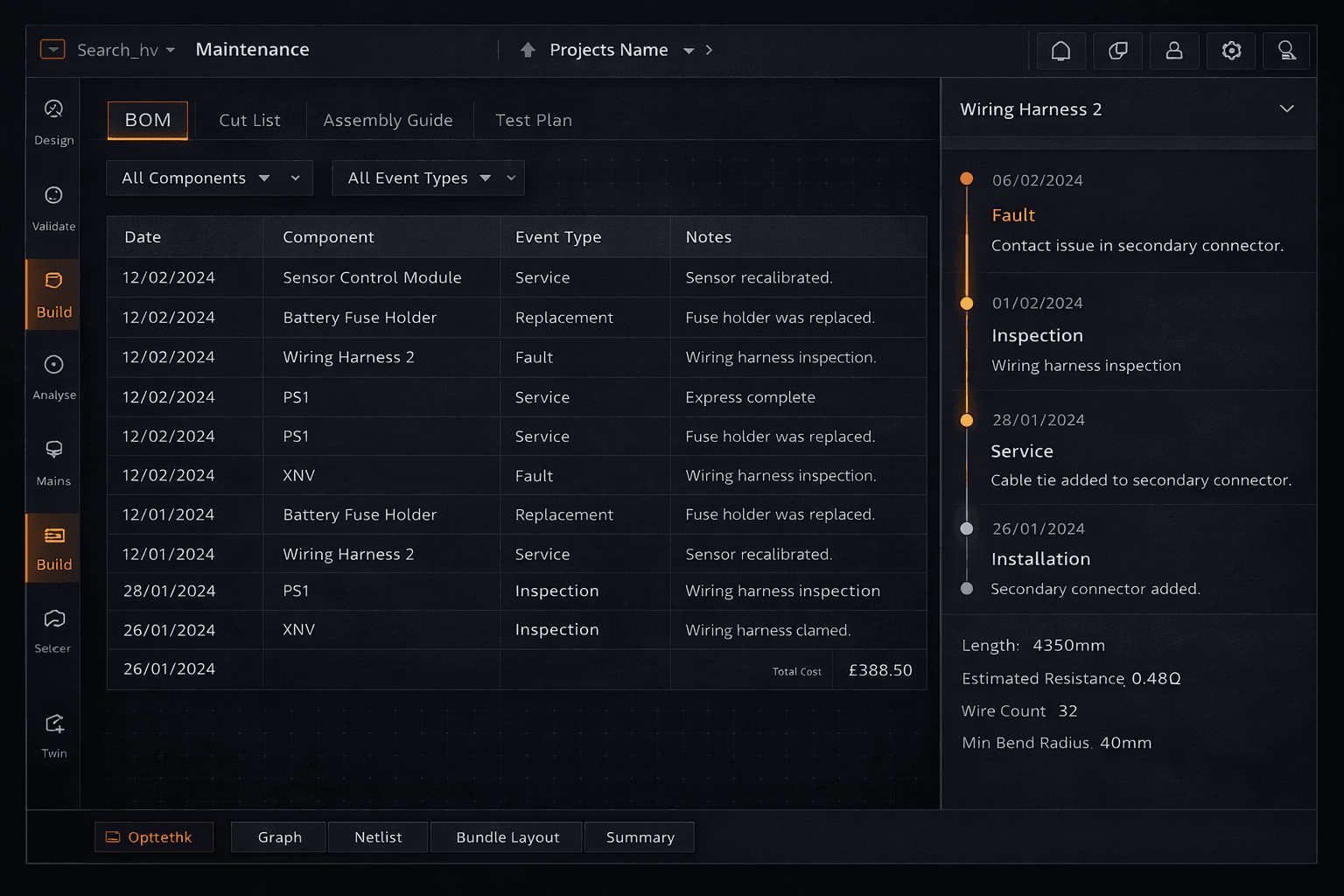
Lifecycle Continuity
- Every modification, inspection, and repair traceable from design intent to as-maintained state
- Service history, fault tracking, and harness specifications in one interface
- Operational modifications tracked — no undocumented changes, no configuration drift
One electrical model spans design, validation, manufacturing, and operations—from USV power systems and ROV tethers to survey vessels, subsea networks, and offshore energy assets.
Electrical systems lose fidelity across lifecycle
Design intent does not survive beyond drawings and spreadsheets. LoomLab preserves intent as a living digital twin.
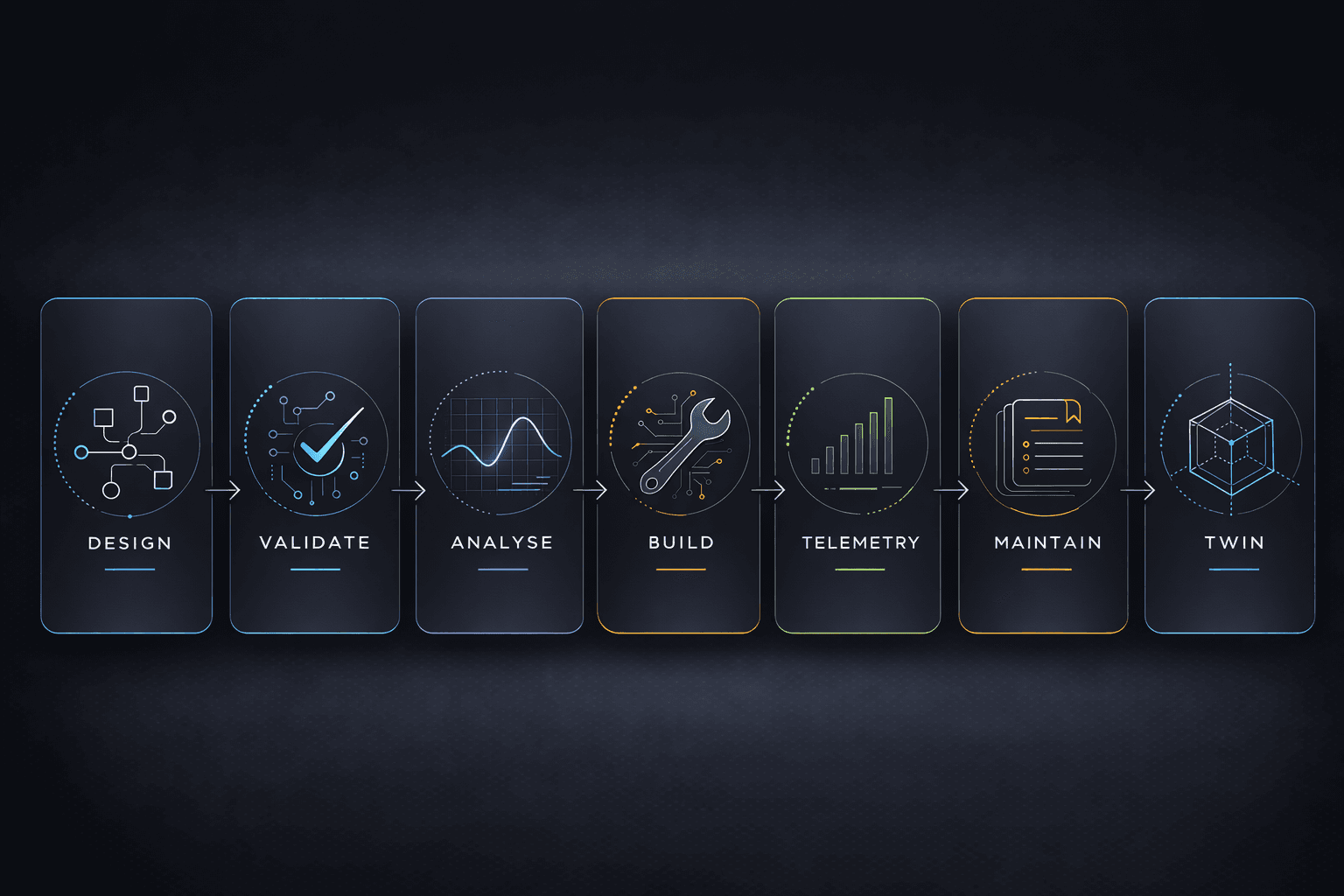
Design Twin
Structured electrical system model — components, nets, loads, constraints. Same model used for validation and manufacturing.
Validation Twin
Real-time validation against electrical constraints. Coverage expands over time. No redraws, no re-entry.
Manufacturing Twin
BOMs, cut lists, assembly docs from the same model. Manufacturing changes flow back into the twin.
Development Progress
Core workflows live, expanding capabilities based on workshop feedback
Core Platform
Design, build, validate workflows operational
Next
Collaboration and enhanced analysis
Later
Advanced features and integrations
Who We're Building For
LoomLab focuses on industries where wiring integrity, reliability, and performance are mission-critical.
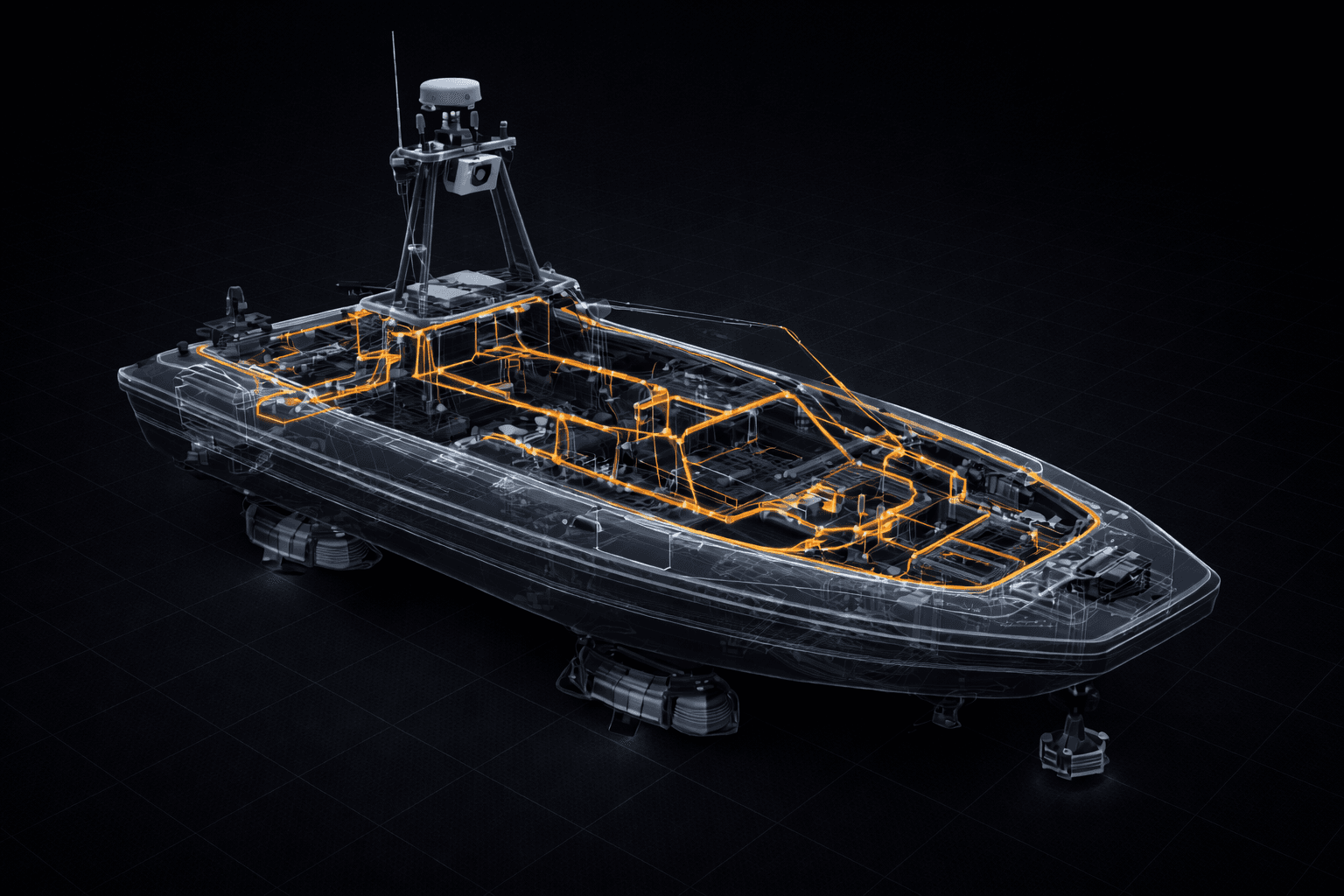
USV & Marine Autonomy
Power, propulsion interfaces, sensors, and communications for uncrewed surface vessels.
Autonomy + multi-bus integration
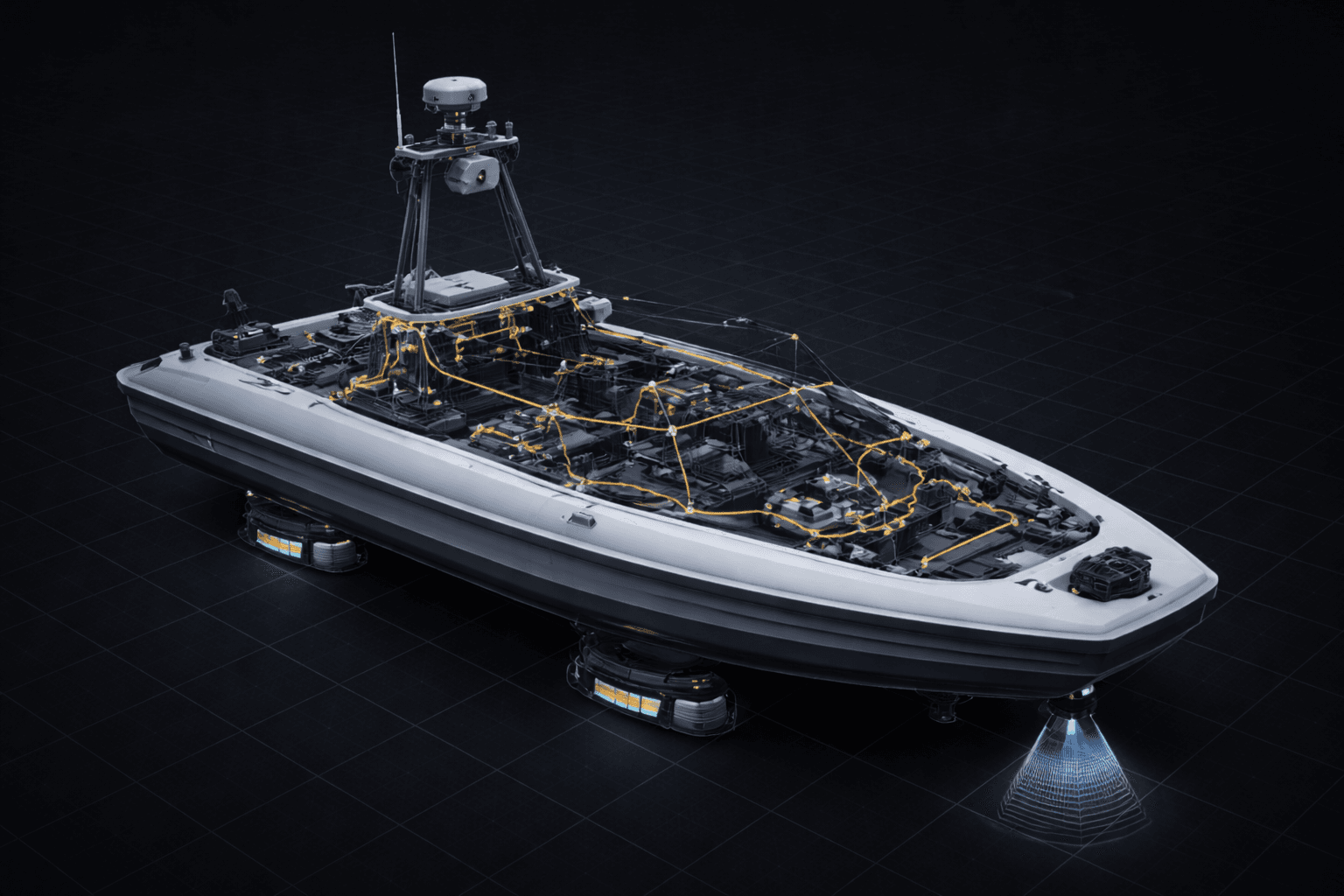
Offshore Survey & Hydrography
Survey payloads, navigation, acquisition systems, and vessel-network integration.
Survey-grade traceability
ROV & Subsea Robotics
Tethers, subsea power, sensors, and hybrid electrical systems for demanding missions.
Tether + subsea integration
Offshore Energy
Electrical infrastructure, subsea sensing, and service systems across offshore assets.
Asset lifecycle continuity
Built by Engineers, For Engineers
Real-world experience in subsea systems and complex electrical engineering — building for industries where electrical reliability is mission-critical
Electrical systems lose fidelity across the lifecycle. Design intent — EMI constraints, HV segregation, pinout assignments, serviceability requirements — does not survive beyond drawings and spreadsheets. Manufacturing changes aren't reflected back into the model. Operational modifications accumulate without traceability.
LoomLab preserves electrical intent as a computable digital twin that evolves from design through build to operation. It is shaped by real-world experience in ROV systems, offshore electrical integration, and harsh-environment engineering.
Our Engineering Foundation
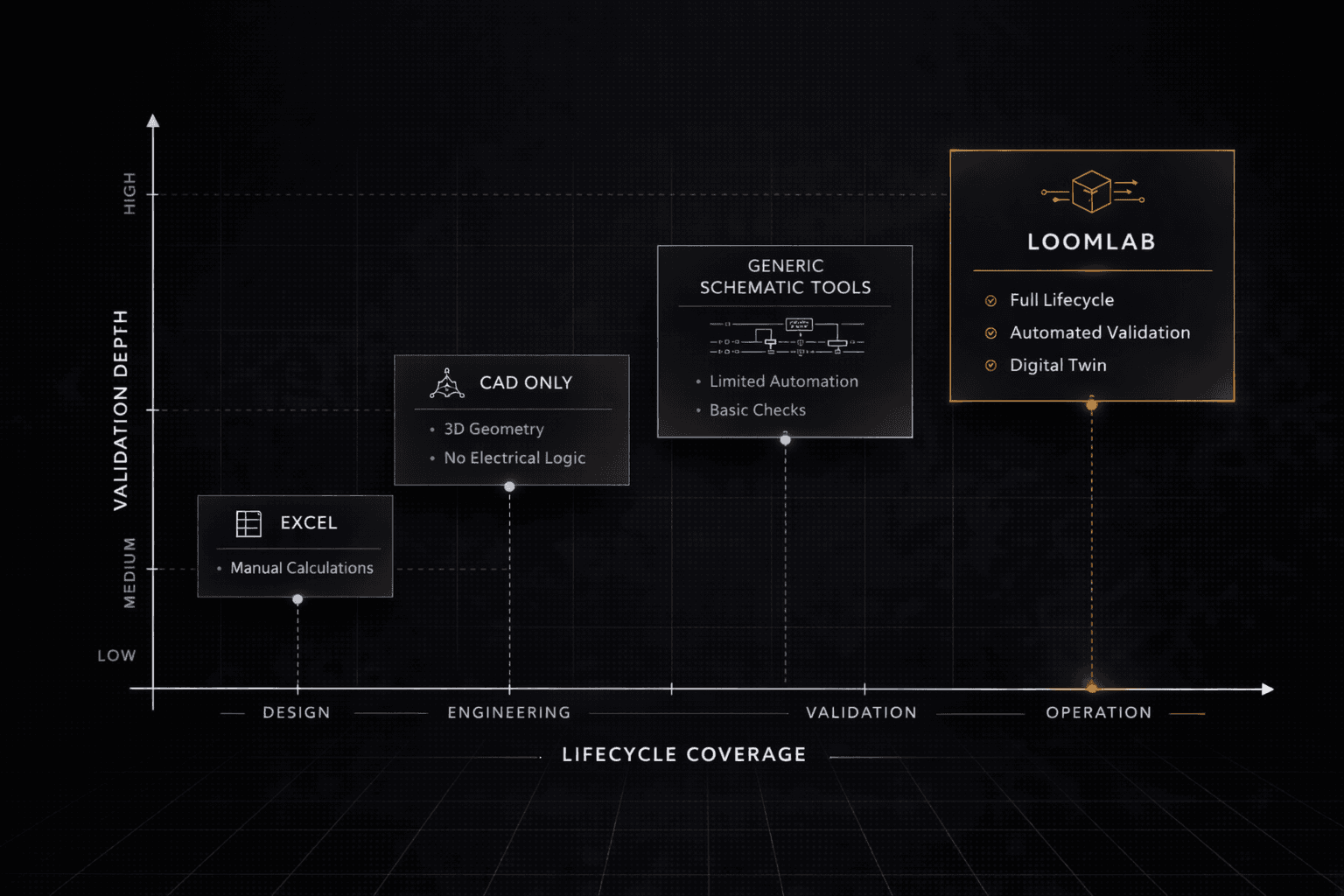
Beyond spreadsheets and schematic tools
Full lifecycle coverage with deep automated validation — from design through operation.
Built for Mission-Critical Electrical Systems
Early access available. Actively developing with engineering teams.
“Engineering-first simulation platform for mission-critical electrical systems.”
“Early access cohort. Direct feedback loop, real-time validation. Exactly what we needed for harness design iteration.”
From Design to Validated Build in 5 Minutes
The same workflow your team will use. No setup, no prerequisites.
Model Your System
Drag components from the catalog. Wire nets, assign loads, define constraints. The digital twin builds as you design — no separate modeling step.
Validate Continuously
The validation engine runs against your model in real time. Voltage drop, ampacity, fuse sizing, topology — issues surface before they reach the bench.
Analyse & Resolve
Stress heatmaps and issue cards show exactly what failed and why. Fix the design; validation updates instantly. No re-export, no redraws.
Build With Confidence
Generate BOMs, cut lists, and assembly documentation from the validated model. Manufacturing outputs match engineering intent by construction.
Join Production Testing
Core workflows operational. Workshop partners designing real systems. Limited early access for engineering teams building mission-critical harnesses.
Early Access Includes: Direct input on features · Workshop collaboration · Priority support · Production-ready tools